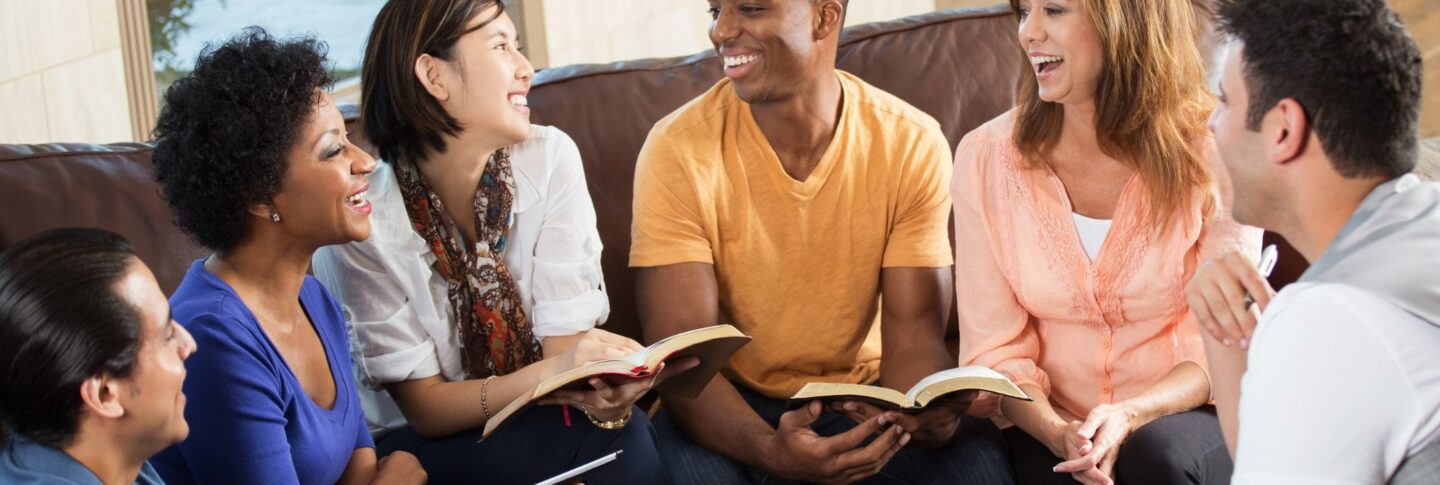
Community oriented recovery is a practical approach that helps people build skills, stay connected to community resources, and continue treatment while living at home. It brings support into the environments where people spend their time, which makes recovery easier to maintain. This model uses core services such as psychosocial rehabilitation, peer support, empowerment services, family support, and counseling to help individuals overcome addiction, PTSD, stress, anxiety, and other real-life challenges. It focuses on treating the whole person through a steady and supportive path.
At Rego Park Counseling, we offer services that match the needs of individuals who want care that fits into their everyday life. Our programs include group therapy, one-on-one counseling, family support, rehabilitation counseling, and empowerment services that help clients continue progress. Each person receives support from knowledgeable staff who guide them through their goals at a pace that feels manageable. We serve people across Queens and nearby communities with options that support long-term recovery and daily stability.
Understanding Community Oriented Recovery
Community oriented recovery is built on the idea that people do better when support connects to the places where they live, work, and spend their hours. It keeps treatment grounded in real situations instead of separating individuals from their daily responsibilities. The focus is on helping people learn practical skills, manage symptoms, and stay active in their community while receiving support from a provider. This can make recovery feel more natural and less overwhelming.
This type of recovery is helpful for individuals facing addiction, PTSD, emotional strain, or challenges that affect daily life. Many people want help without stepping away from their job, family, or personal routine. Community oriented recovery makes that possible through flexible services that meet individuals where they are. When treatment fits well into daily life, people often feel more prepared to continue working toward their goals and managing stress with confidence.
Core Services in Community Oriented Recovery
Core services form the base of this recovery model. These services help clients build strength, improve functioning, and work through personal challenges with steady support. One type of core service is community psychiatric support, which focuses on understanding symptoms, learning coping strategies, and practicing ways to stay regulated during stressful moments. One-on-one counseling allows individuals to talk through concerns, build goals, and gain clarity in a private setting with trained staff.
Psychosocial rehabilitation is also a central part of this approach. It supports clients in learning communication skills, problem-solving techniques, and daily planning tools that help with long-term stability. This type of training often focuses on tasks that matter in real life, such as preparing for a job, managing a home, or improving relationships. The goal is to help individuals feel capable and grounded as they take on challenges at their own pace.
If you’re looking for flexible support that meets you where you are, we offer the RPC CORE Program with services that include CPST, PSR, Family Support, Peer Support, and help with real-life goals such as finding a job or pursuing education. Our team can meet you at home, in a local park, or any comfortable location while providing steady guidance that fits naturally into your routine. Explore our page to see how we can support your progress practically and conveniently.
The Role of Peer Support and Empowerment Services
Peer support is an important part of community oriented recovery because it connects clients with people who have their own experience in treatment and recovery. These peers offer understanding, encouragement, and steady guidance. Many individuals feel more comfortable opening up to someone who has faced similar struggles. Peer support adds a level of connection that complements counseling and skill building.
Empowerment services help clients gain the confidence they need to work through difficult periods. These services include developing coping skills, learning how to respond to stress in healthy ways, and understanding personal strengths. Empowerment helps individuals feel more in control of their daily choices and gives them tools that can be used at any time. When peer support and empowerment come together, clients often feel grounded and more prepared to continue recovery.
How Rehabilitation Counseling Supports Daily Life
Rehabilitation counseling gives structure to everyday challenges. Clients work with knowledgeable staff to understand their routines, identify areas that cause stress, and plan for manageable improvements. This type of counseling focuses on small steps that build toward larger goals. The aim is to help people feel capable in their daily lives rather than overwhelmed by everything at once.
Rehabilitation counseling also helps individuals plan for job opportunities, schooling, or ways to improve relationships with family and friends. Many people benefit from having someone guide them through long-term goals. The support gives clients a steady path forward and helps them adapt when new challenges appear. This creates a foundation that strengthens recovery over time.
Family Support and Community Resources
Family support helps improve communication, reduce conflict, and build healthier routines at home. Families often carry emotional weight from years of concern or stress. Family support helps them understand the recovery process, respond in helpful ways, and stay involved without feeling lost. Many clients feel more prepared to continue treatment when their family has tools and support of their own.
Community resources such as housing support, job support, or local programs also play a major role in long-term stability. These resources help clients build a stronger foundation outside of counseling sessions. When individuals have access to reliable support in their community, they often feel more able to handle daily demands and stay consistent with recovery goals. The combination of community resources and treatment helps create a balanced and reliable system of support.
How a Recovery Plan Is Created and Updated
A recovery plan is designed around the needs of the individual. The provider speaks with the client about their goals, struggles, strengths, and daily life. This information helps shape a plan that is useful and realistic. The plan may include core services such as psychosocial rehabilitation, family support, empowerment services, or group therapy. It also highlights the steps clients want to complete and the skills they want to build.
According to research, developing an aftercare plan is important because many people face difficulties when returning to everyday life after treatment. The risk of relapse is highest during the first few months after someone leaves rehab, and ongoing support helps individuals stay grounded, manage triggers, and continue working toward long-term recovery goals.
Recovery plans change as clients grow. A plan may be updated when a person reaches goals, faces new stress, or wants to add new skills. This flexible approach allows individuals to continue progress without feeling stuck. Staff members check in often to send guidance and support, making sure the person has a steady path forward. This type of update helps build resilience and confidence over time.
Who May Benefit from Community Oriented Recovery
Community oriented recovery helps people who want treatment that fits into their everyday routine. This includes individuals managing addiction, PTSD, anxiety, depression, or challenges that affect work, family life, or personal stability. People who want to stay connected to their home, responsibilities, and natural supports often find this approach helpful. It allows them to work on recovery without stepping away from their daily life.
Families may also notice signs that someone needs support. These signs may include emotional withdrawal, difficulty coping, trouble at work, or strain in relationships. When someone feels weighed down by stress or daily challenges, this model helps them build skills and gain structure. It supports long-term progress and allows people to learn at a pace that matches their needs.
Conclusion
Community oriented recovery helps individuals build skills, gain confidence, and stay connected to important parts of their lives while receiving treatment. It brings together counseling, empowerment services, community resources, and natural supports steadily and practically. This approach lets people work toward their goals without stepping away from the environment where they live, work, and spend their time.
At Rego Park Counseling, we offer core services that support long-term recovery and daily stability. Our programs help individuals and families find a path that fits their needs. To learn more, visit our website and reach out through our contact us page for more information about support options.
FAQs
What are the core services in community oriented recovery?
Core services include counseling, psychosocial rehabilitation, peer support, family support, and skill building supports that help individuals manage symptoms and improve daily functioning.
Does community oriented recovery include family support?
Yes. Family support helps families understand the recovery process and encourages healthy communication without adding pressure to the person receiving care.
What is psychosocial rehabilitation?
Psychosocial rehabilitation helps individuals build daily living skills, communication skills, and emotional regulation skills to improve their ability to manage responsibilities.
Can someone receive community oriented recovery while working or living at home?
Yes. This model is designed to fit into a person’s daily life, allowing them to continue work, family responsibilities, and personal routines.